
What began as a passion project has evolved into something more. We’re proud of where we’ve been and even more excited for what’s ahead.
Our Curriculum
Education for Life
At Nature Den, children learn in the forest by doing.
They make, build, navigate, explore, move, create and work with what is around them, with agency, autonomy and a growing sense of competence.
We once watched a new facilitator tie a rope for a child, only to have the child look at them, puzzled, and mutter softly, “In forest school, we can do things by ourselves.”
Much of what actually happens here could never have been planned on a curriculum sheet. It is why our practitioners' bags tend to grow heavier and bigger as the days go by, as they prepare for what the day might present. And that is part of what makes it so beautiful.
Our curriculum is co-designed with learners in real time. We pay attention to what interests them, what they are ready for, what the space offers and what emerges among them. Practitioners bring knowledge, skills and possibilities, then scaffold when needed.
A group might become fascinated with smashing rocks. We might introduce stone chiselling. That can lead to shaping, sanding and polishing. Then the children discovered that they can transform their stones into something that looks like marble.
The curriculum grows with them, spattered with the joy and wonder of creation and discovery.
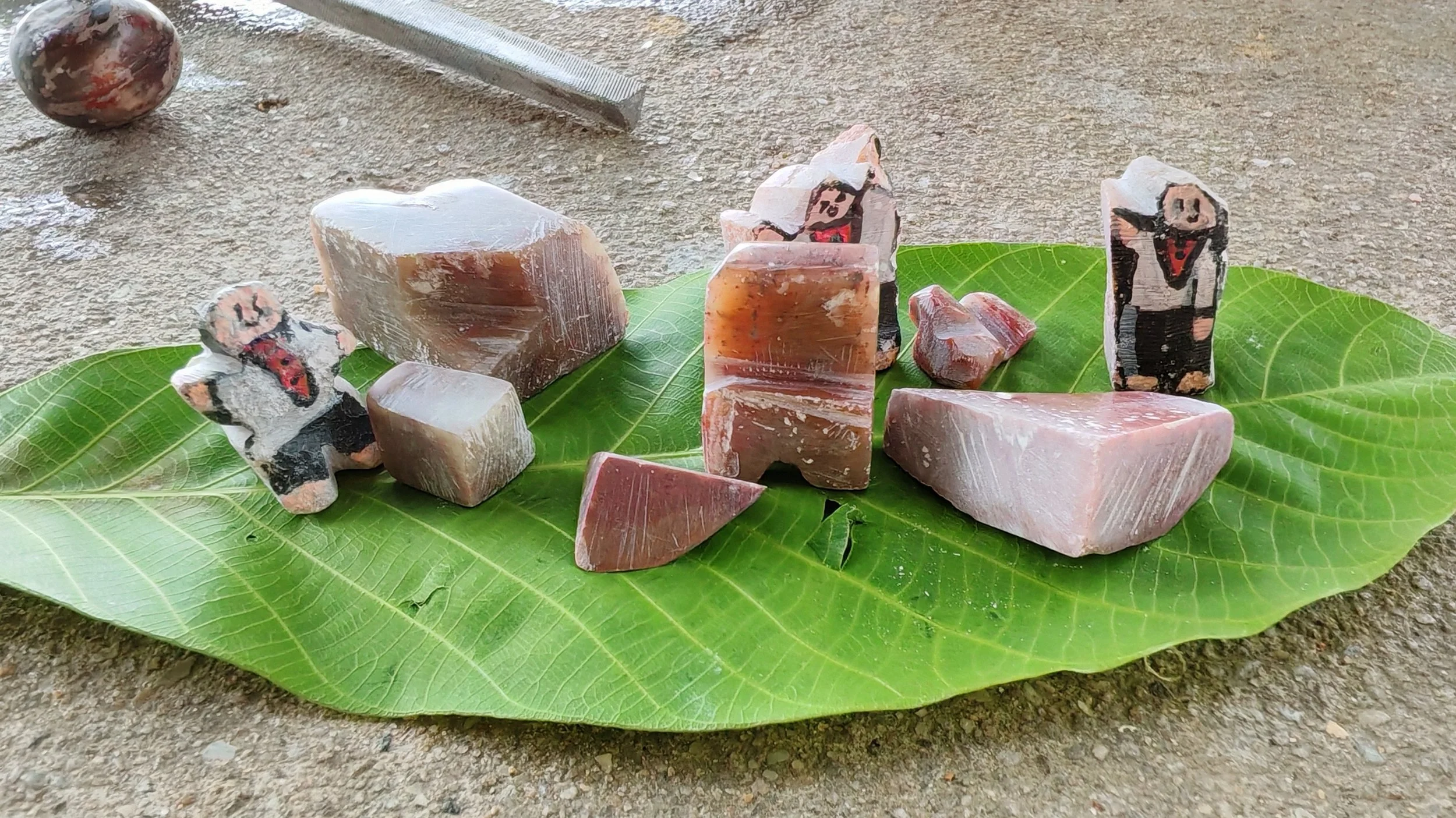
Chiselled and polished stones by the learners, positioned on a fallen leaf by a learner (Seniors Class, September 2026)
About Forest Learning
The forest is not just our classroom. It is a place where children have things to figure out.
They learn to use the resources around them, make and build, move through different terrain, navigate, create, care for themselves and others, and respond to the conditions they encounter.
They may learn how to tie a knot, make a fire, build a shelter or find their way.
But they are also learning what happens when the first attempt doesn't work.
They learn to try again, change their approach, ask for help, work things out with others and sometimes accept that the forest has its own way of doing things.
We want children to know that they are capable, not simply knowledgeable.
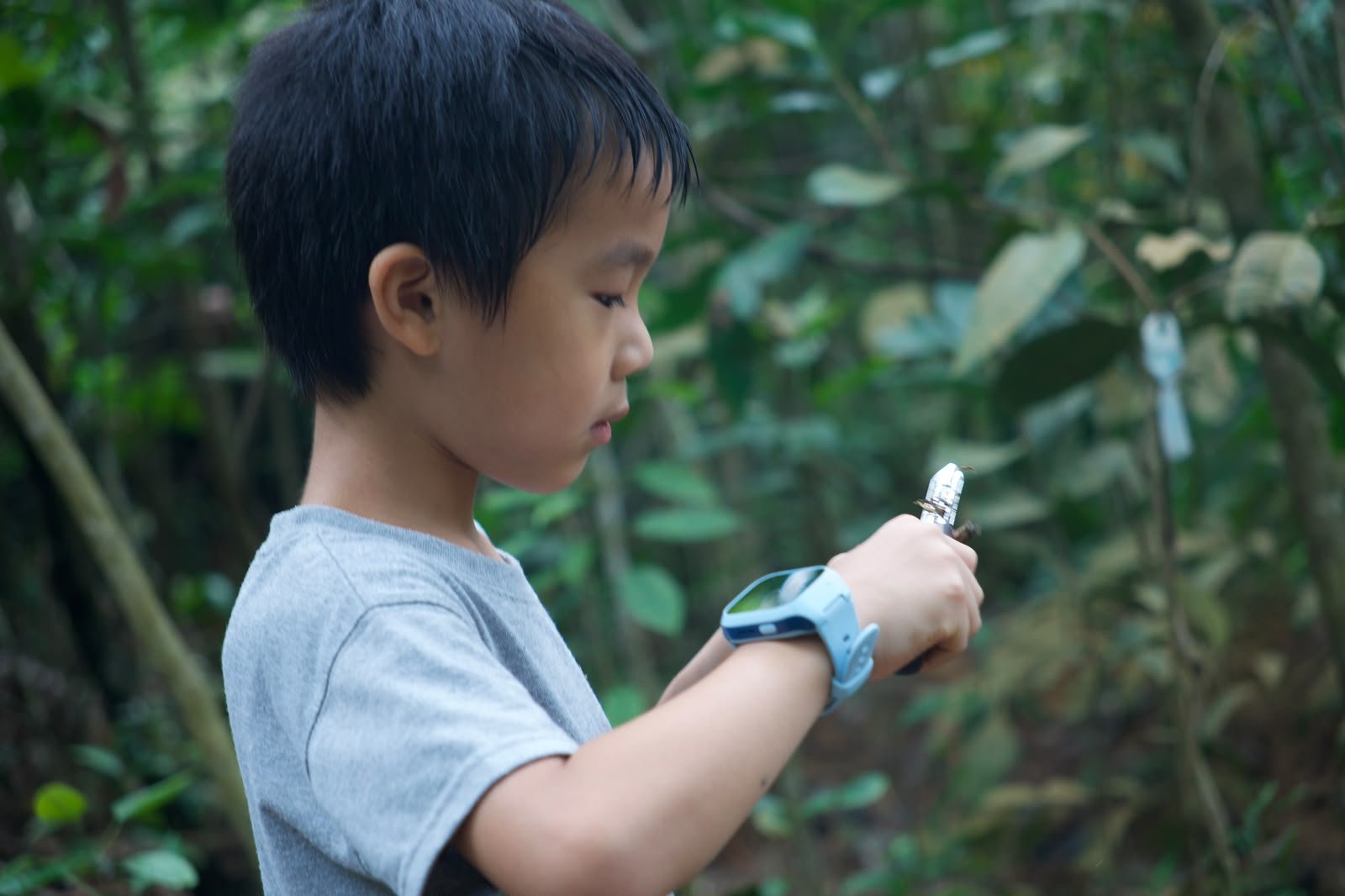
A young learner practising the art of whittling wood
About Relational Learning
Children learn about themselves through their experiences with other people and with the space around them.
A child may even have arrived at the space seeing themselves as friendless, shy, less than capable or someone who always gets into trouble. It does not matter what they may have thought of themselves. We pay attention to the moments that let a child experience their own strengths and uniqueness, as well as what they value. Like,
When they took care of someone else.
When they included another in their ideas.
When they did something they thought they couldn't.
When they spoke up softly and were listened to.
Over time, these experiences become part of how a child knows themselves.
They learn about others too. Through how others show up, children discover that other people have their own ways of thinking, feeling and being. They learn that people can be different from them, and how to navigate that difference.
And so, they learn how to be in relationship with others and with the space around them. When children have the autonomy to move, act, speak, make choices and experience the outcome of those choices, they have many opportunities to discover how they fit within a larger whole.
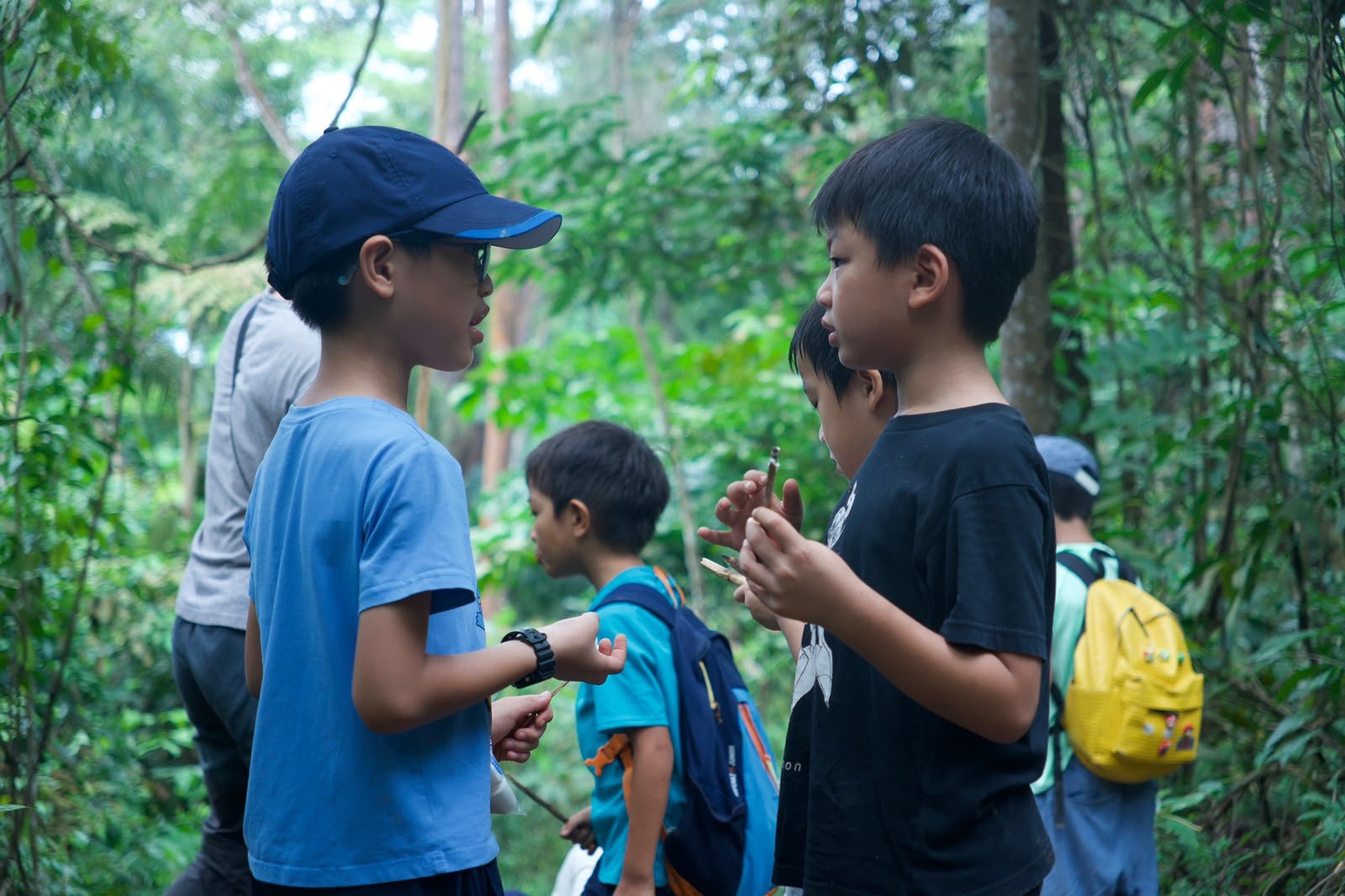
It Takes Time
We don't set out to produce a particular type of child.
The learning that grows from long-term forest school is much broader than forest skills or relational skills.
Children develop practical capability through making and building. They practise communication through organising themselves. They develop social skills through friendship, cooperation and conflict. They encounter challenge and uncertainty. They learn to make decisions, influence others, listen, repair their bonds just as well as they maintain their own crafted tools, and put ideas into action.
And over time, something deeper can develop: a growing knowledge of self, awareness of others, connection to place and the ability to work within a community.
The forest skills are real and valuable.
So are the friendships.
At around 13, when we asked our first cohort what they valued most, one of the things they spoke about was their bond with one another. They had literally grown up together here, sharing adventures, jokes, challenges and countless forest moments.
Those memories cannot be recreated in a single programme.
They are built over time.
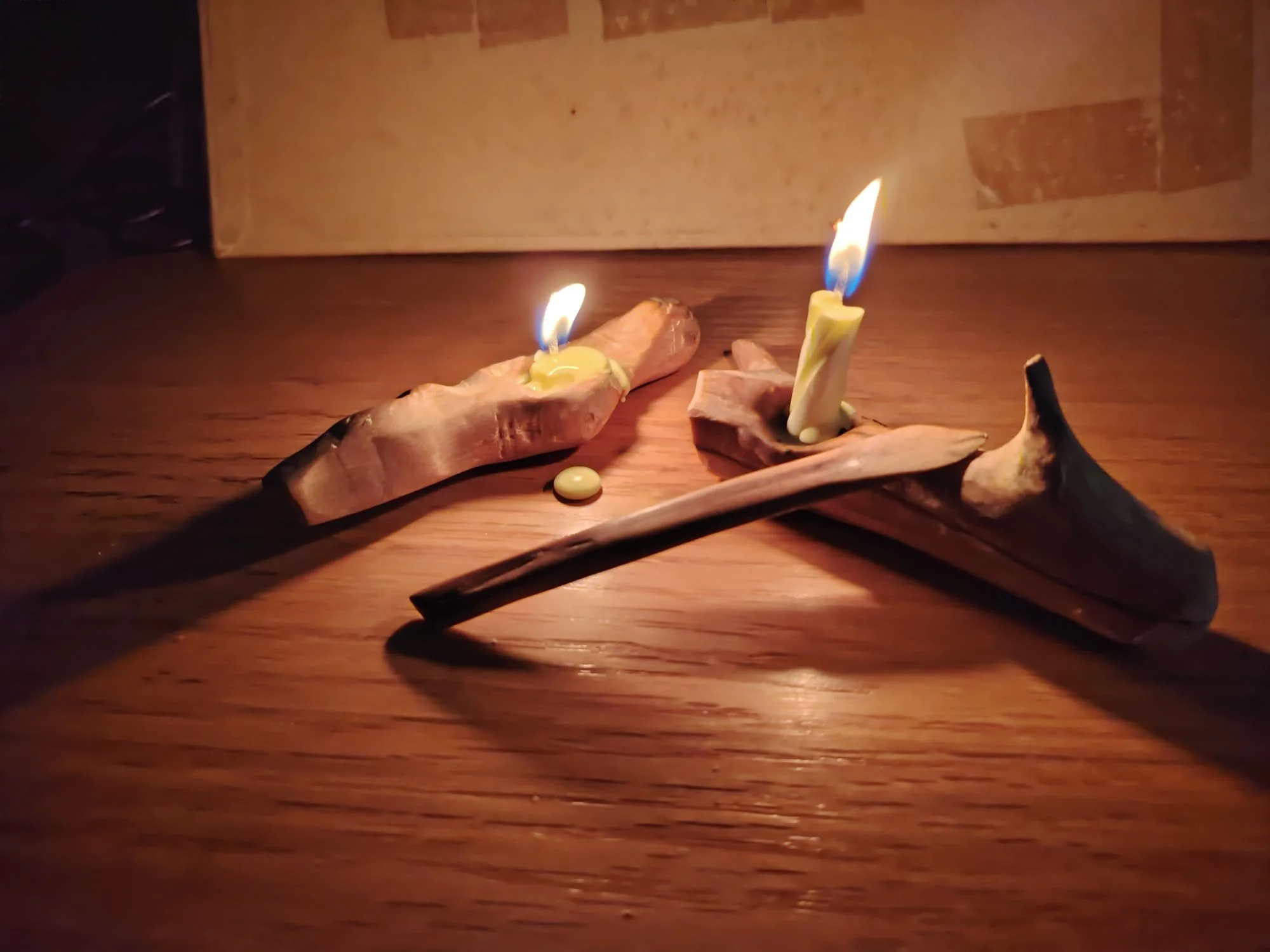
Photography and crafts by Middle School (April, 2025)
The depth of this curriculum comes from repetition, continuity, relationships and accumulated experience.
That is why we believe a weekly, long-term forest school experience can be such a valuable complement to school. It gives children another place to learn and develop, through real experiences, relationships and time outdoors.
The benefits are not confined to one area of development. Children are moving, making, thinking, communicating, relating, taking responsibility and encountering the natural world all at once.
If we were to map the whole of this development, it would look something like this:
Physical · Intellectual · Emotional · Social · Communication · Spiritual
And that is what we mean by Education for Life.
-

Spiritual (Nature-Connectedness)
Children develop a sense of connection to nature through repeated, meaningful experiences—fostering calm, belonging, and overall well-being.
-

Physical
Active outdoor play builds strength, coordination, and confidence, supporting healthy and capable bodies.
-

Intellectual
When children’s sensory and movement needs are met, they are ready to learn. Through play and exploration, they develop curiosity and problem-solving skills.
-

Communication (and Language)
Through conversation, storytelling, and play, children learn to express themselves, listen to others, and communicate with confidence.
-

Emotional
Children learn to recognise and manage their emotions, building resilience, self-awareness, and empathy.
-

Social
Through shared experiences, children develop cooperation, respect, and the ability to form meaningful relationships.
Whether you can make it weekly, join us during the school holidays, come as a family, or ask us to curate something for your team, there’s a way to experience the Den.
Check out our programmes, or just call us for a chat. We’re always happy to answer questions.