Nature Den Singapore
Therapeutic Outdoor Programmes
Where children learn through real experience, relationships, and connection with the natural world.
What to expect at Nature Den
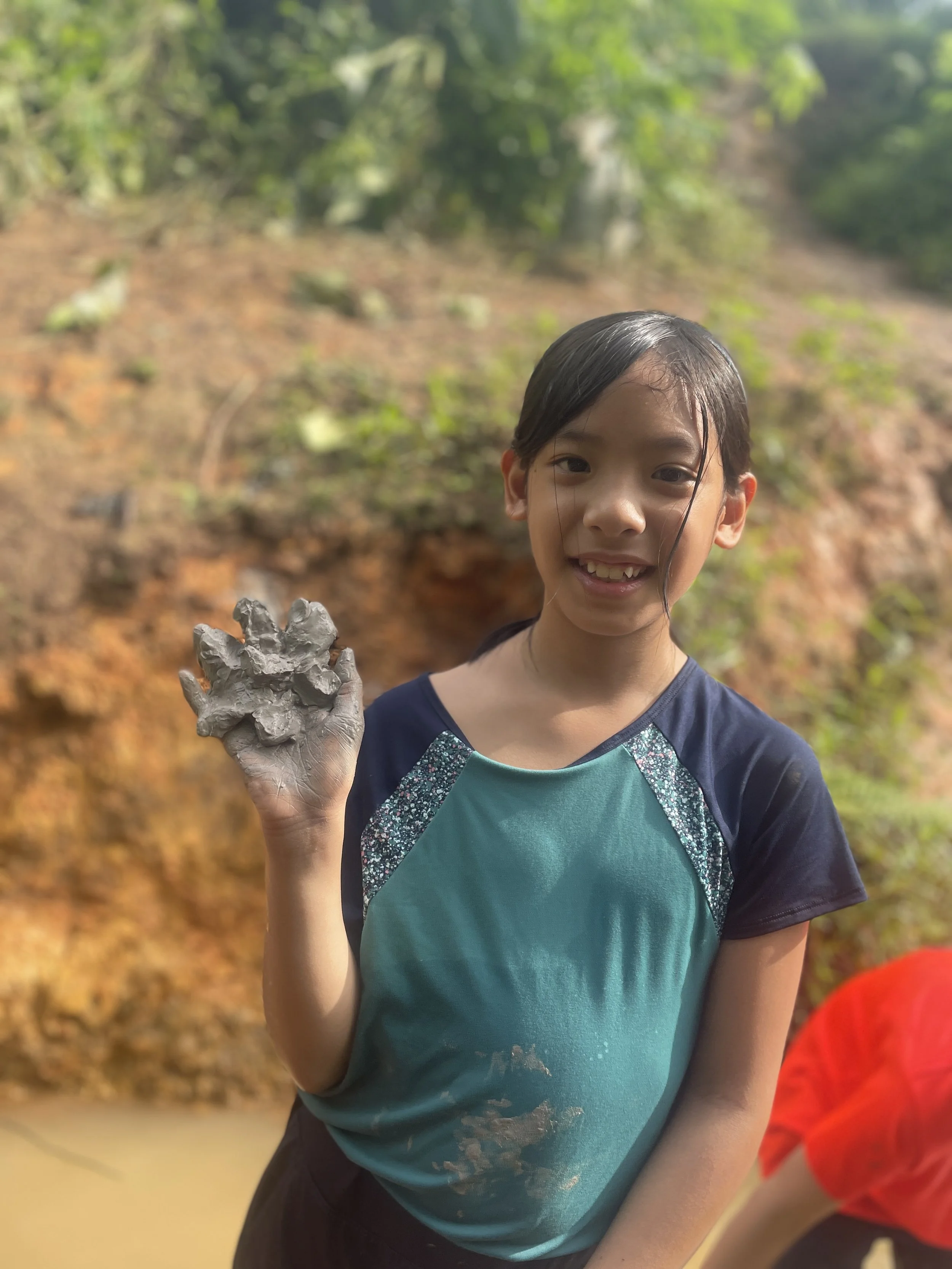
Nature Den Singapore is a developmental learning community for children and teens aged 4–18.
Through nature, movement, hands-on projects, and trusted relationships, we support young people to grow in confidence, resilience, social maturity, and practical life skills.
How this guide is used
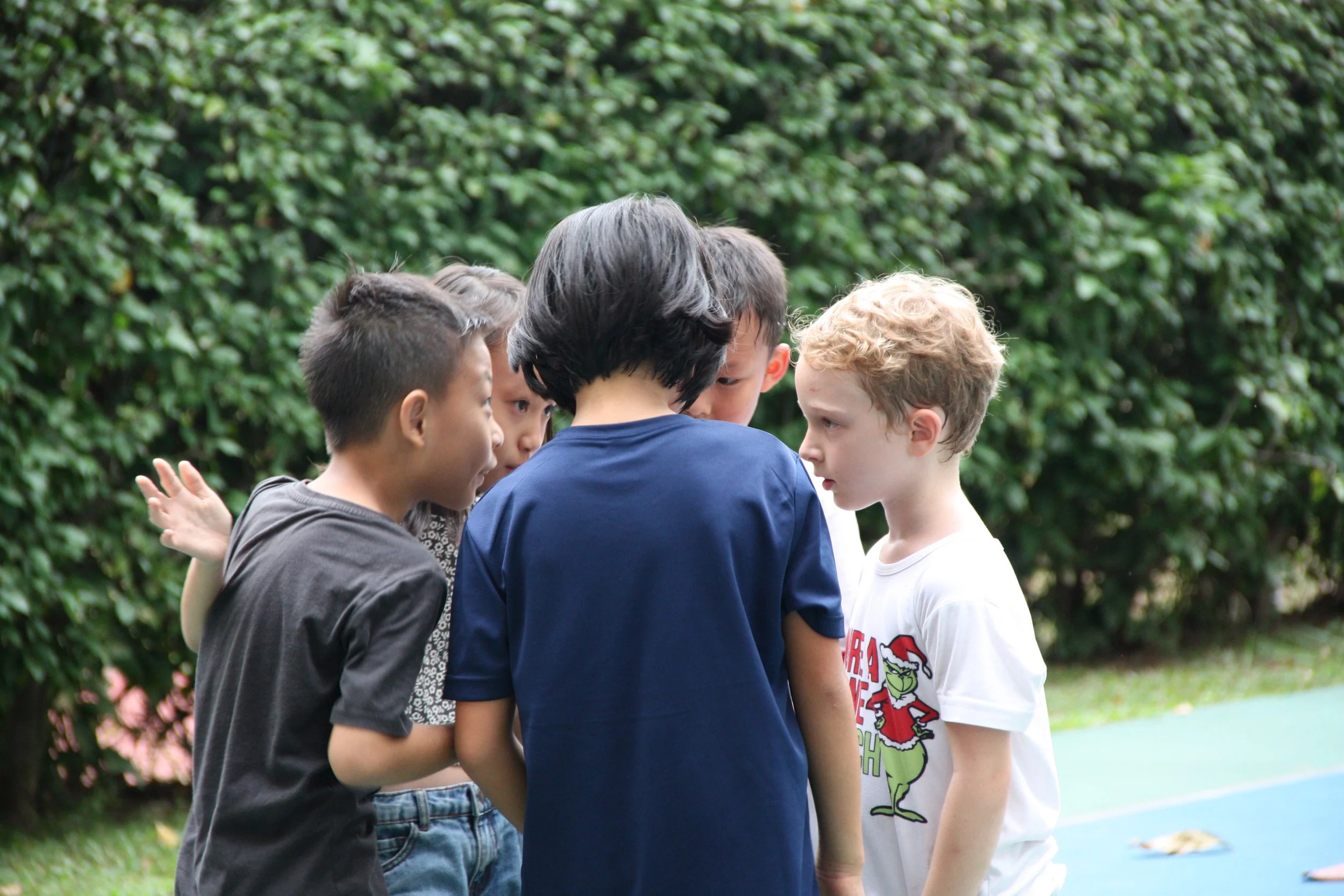
This guide helps you understand how Nature Den works, so your child can experience consistency, safety, and meaningful learning over time.
Rather than a fixed set of rules, it offers a shared understanding of how we support children’s growth, and how we work together with families.
This guide is here to help you support your child’s experience with confidence.
How children learn at Nature Den
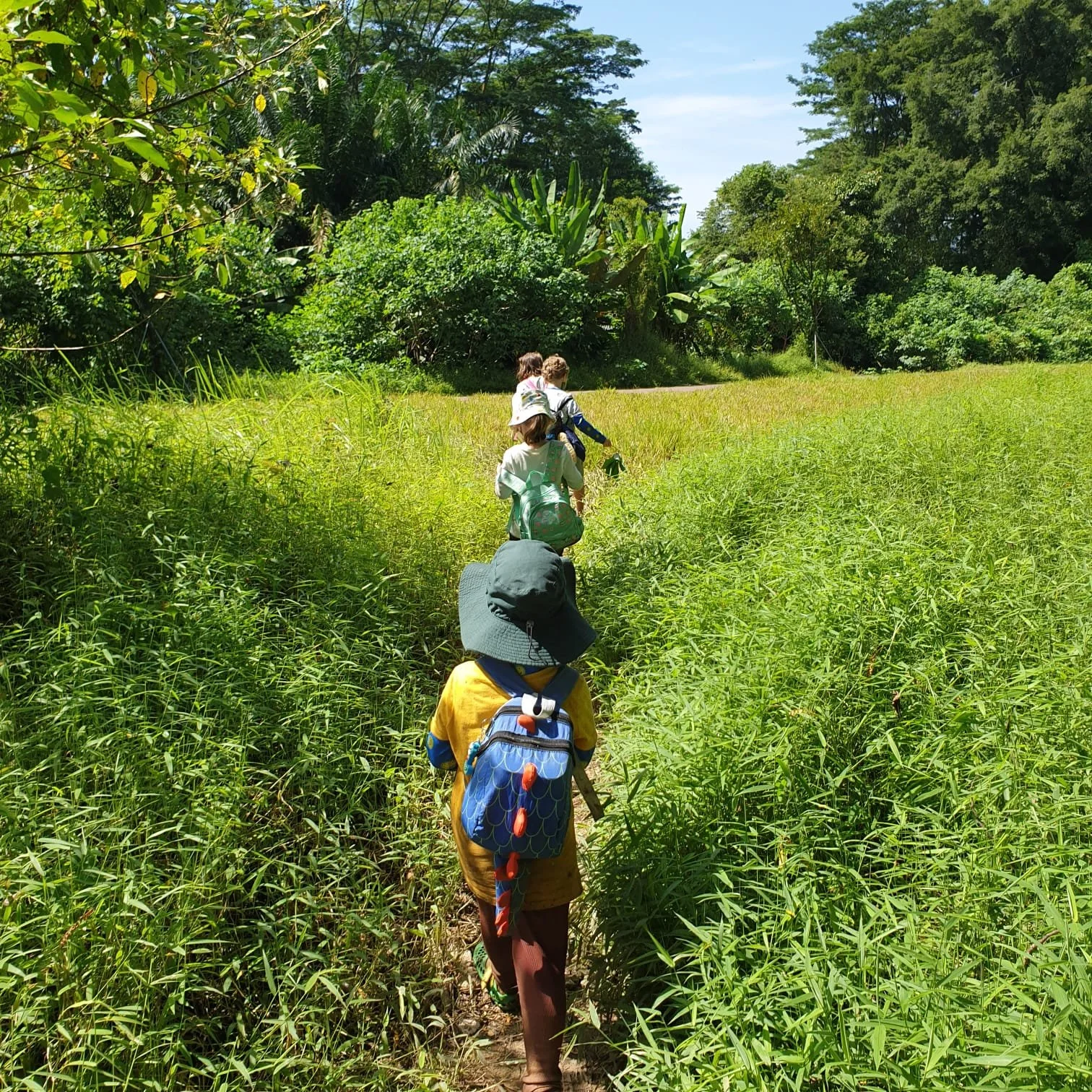
At Nature Den, children learn through real experiences, play, relationships, and connection with the natural world.
Learning is not directed in a rigid way. Instead, it unfolds through what children encounter, explore, and experience in the moment.
Our role is to stay present, observant and attuned, supporting children as they:
make sense of their experiences
understand and manage emotions
navigate social situations in real time
What this looks like in practice
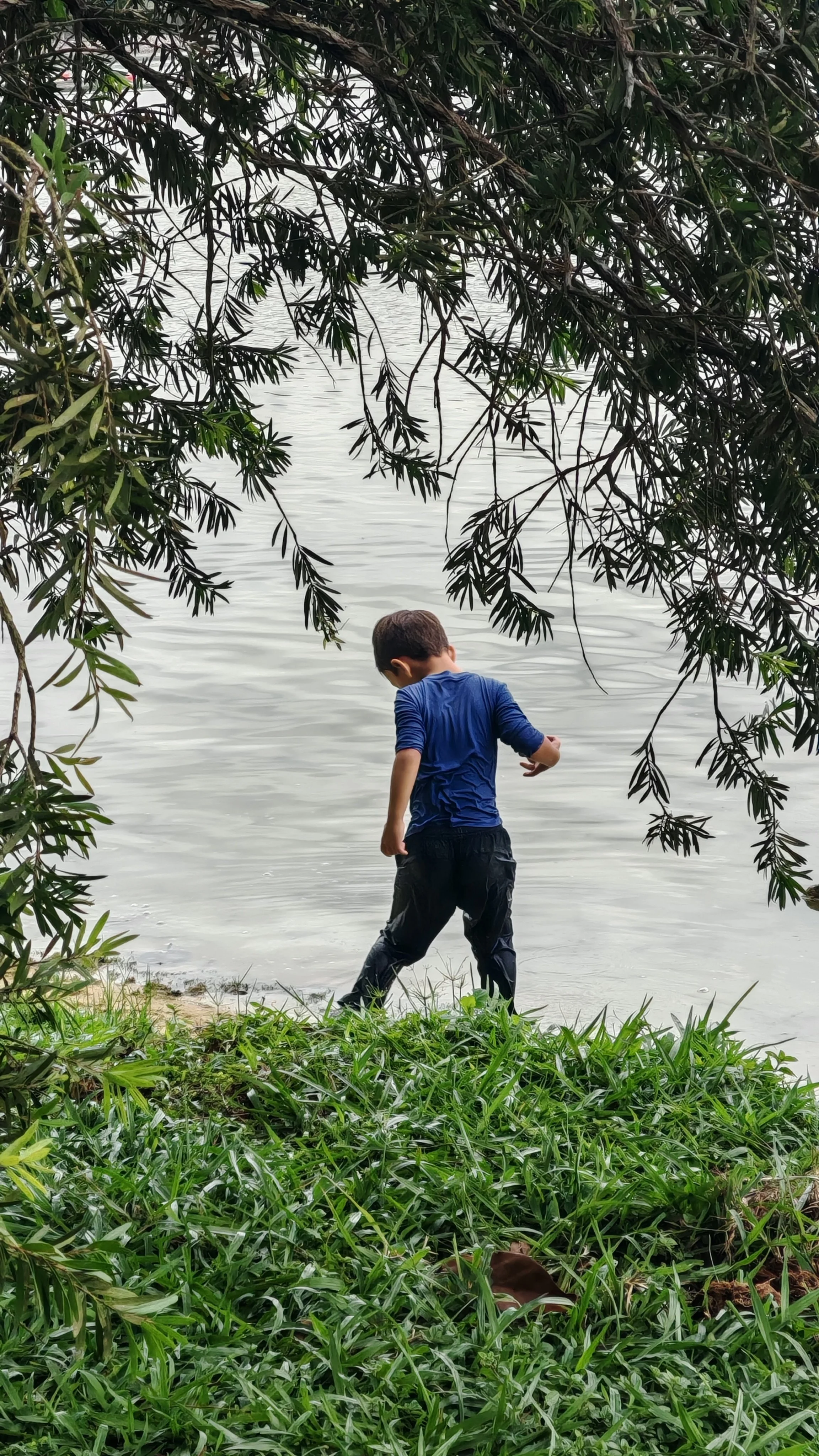
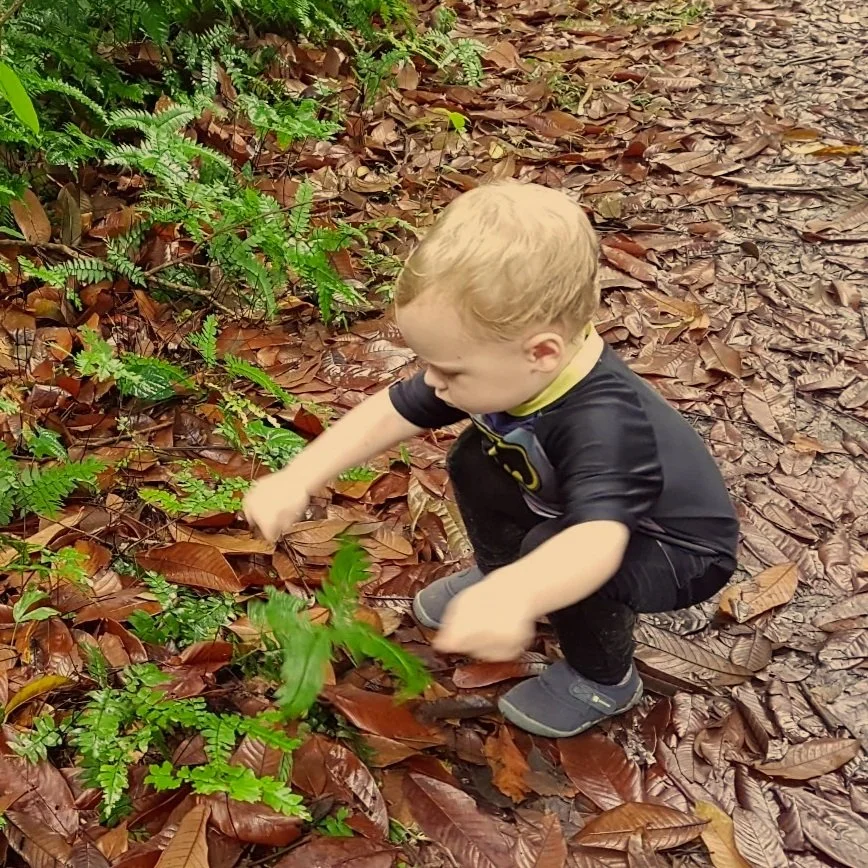
Each child engages in their own way. At any point, your child may be:
active and physically engaged
observing quietly
reflecting before joining
fully immersed in group play
All of these are valid and meaningful forms of learning.
Our work is guided by the Relational Learning™ Framework, developed through years of practice supporting children in outdoor developmental settings. It shapes how we:
hold space
respond to behaviour
support growth through relationship, experience, and reflection.
At its core, we aim to create a space of care, inclusion, and connection for every child.
Our approach behind our work
Working together with families
We value open communication with families as children settle into this approach. This helps build consistency, shared understanding, and a supportive environment for each child’s development.
How We Support Children
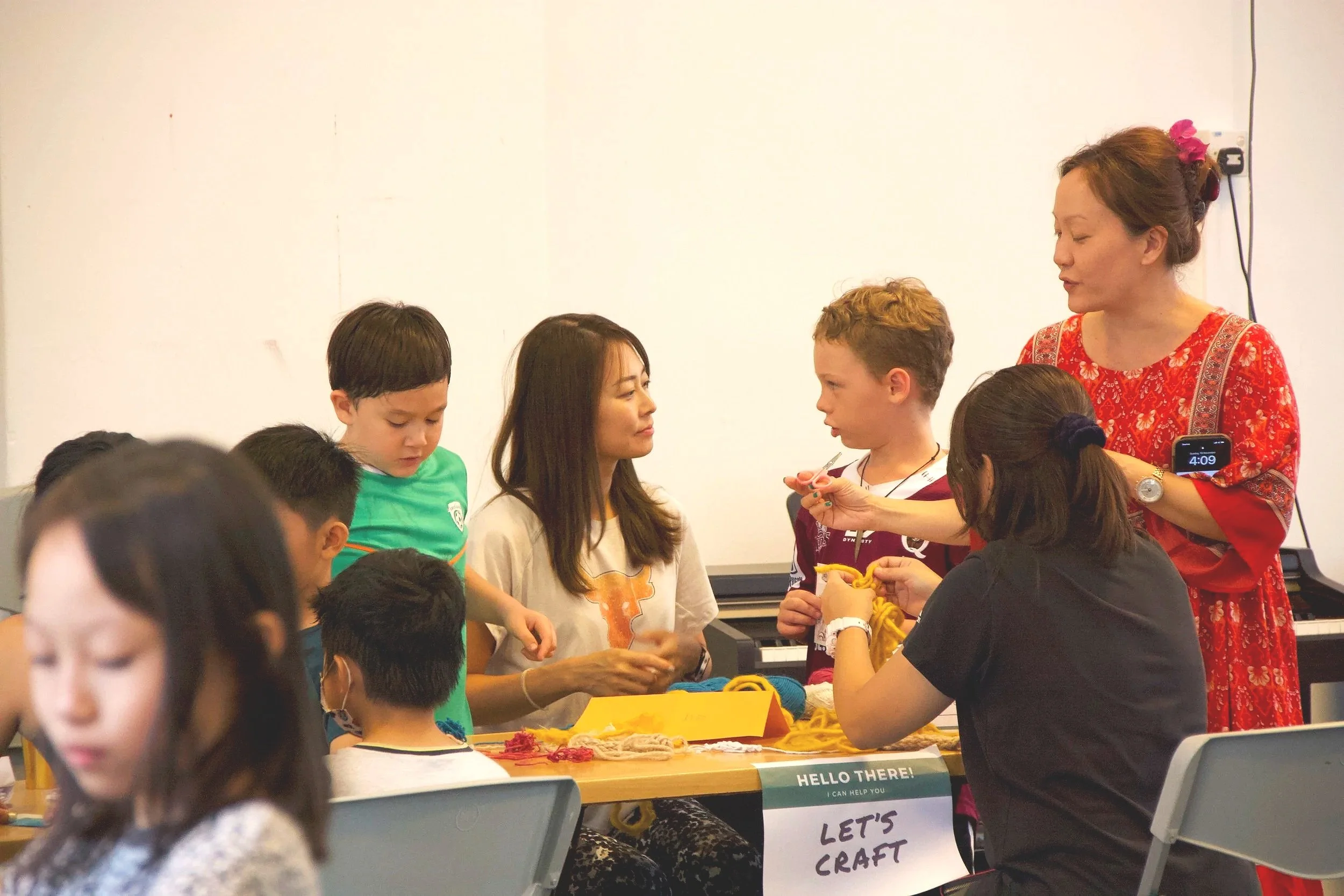
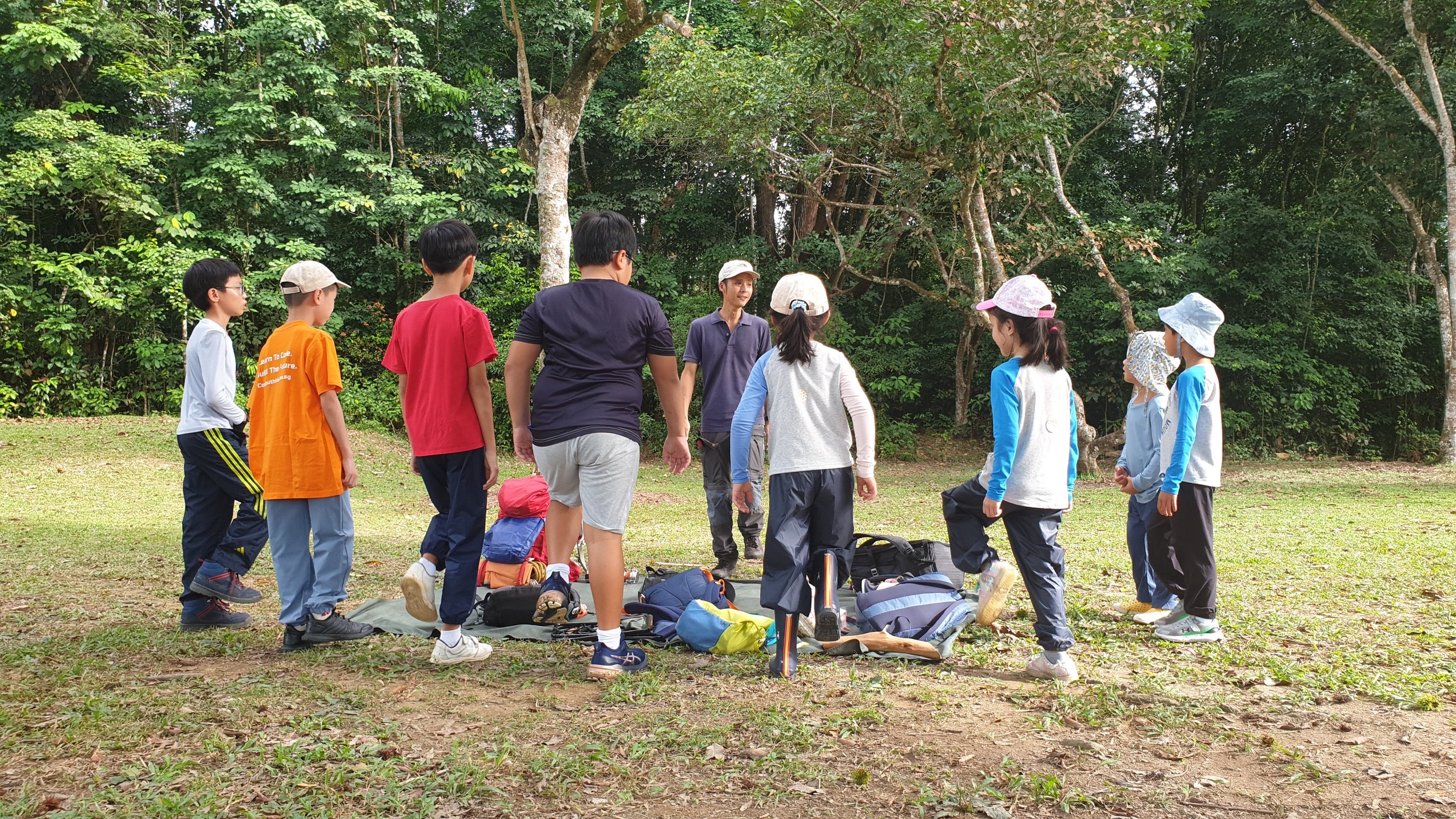
During sessions, our team:
stays present and observant during play
supports emotional regulation and social learning in real time
helps children notice impact, repair relationships, and re-engage
focuses on feelings, needs, context, and behaviour (not labels or fixed roles)
do not take sides in conflict, but support understanding and repair for all children
What children experience through this approach
Learning at Nature Den includes:
collaboration
disagreement and repair
testing ideas
experiencing different perspectives
trying again
reflection
These moments are supported through calm, real-time adult attunement.
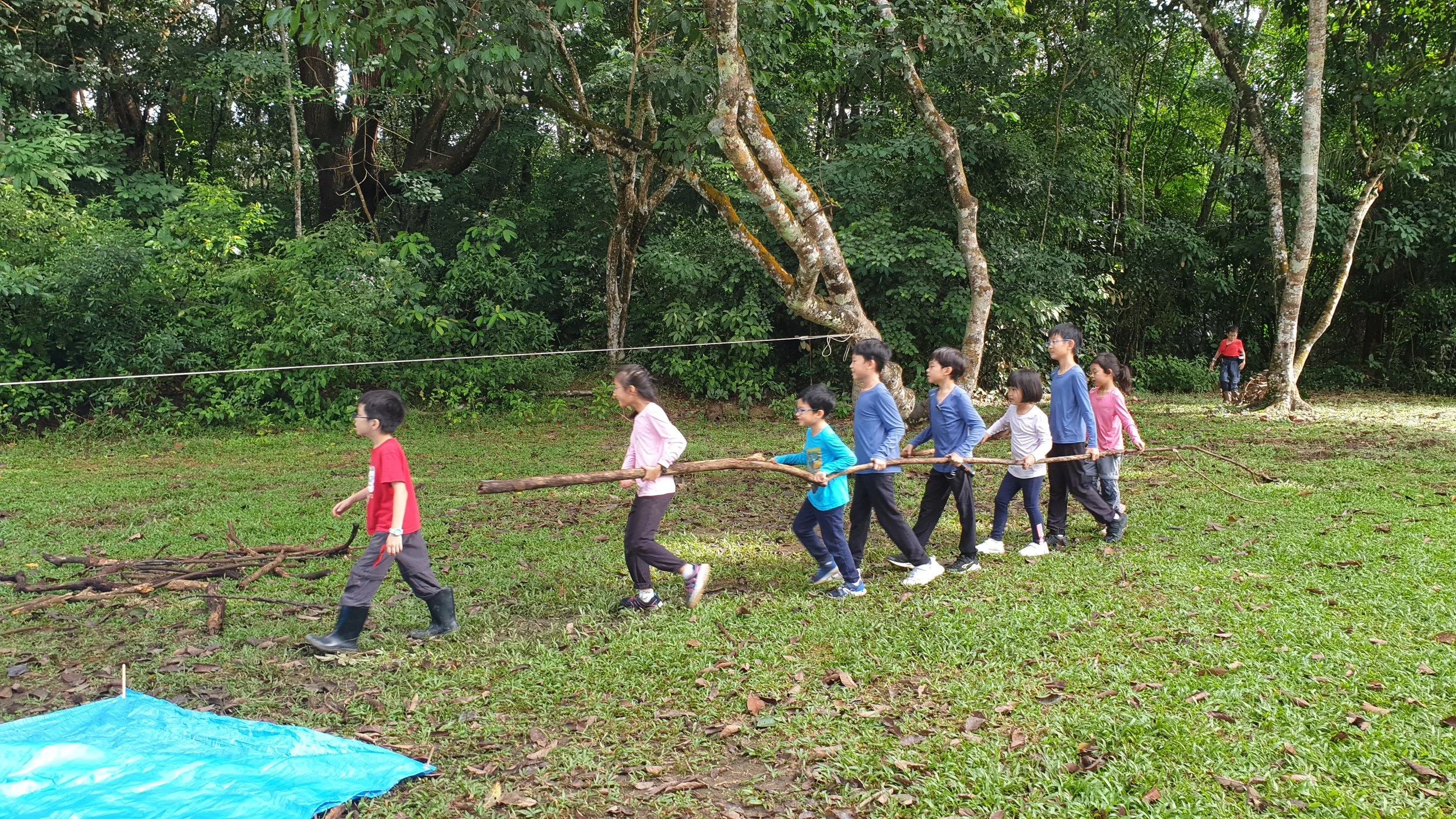
Working in partnership with families
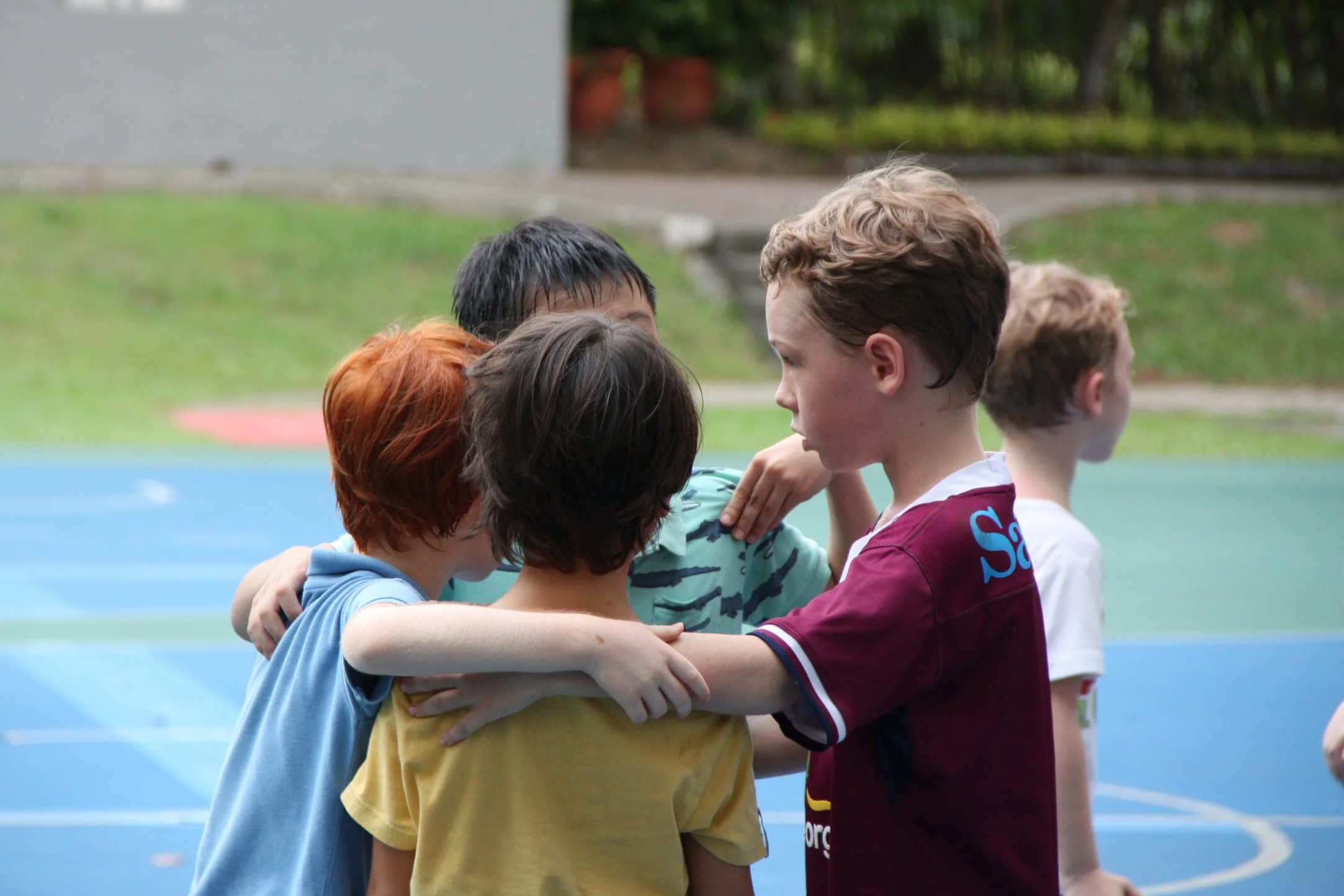
We value a respectful partnership with families and open communication as part of supporting each child well.
We welcome updates about your child and share relevant information with the team to support consistency.
To support your child’s experience, it helps to:
Communicate directly with the team when concerns arise
Allow children space to process experiences without repeated questioning
Recognise that support may happen in ways that are not always immediately visible
We aim to maintain a calm and present environment, grounded in care and curiosity, where children feel safe, understood, and able to engage naturally.
Our boundaries of practice
To maintain a safe, consistent, and developmentally supportive environment, we work within clear professional boundaries.
To protect consistency, safety, and trust for children, there are several practices we do not use:
We do not operate without adult support or structure.
We do not label children in fixed ways.
We do not assign blame-based roles in conflict.
We do not renegotiate our core Relational Learning™ framework during programme delivery.
We do not place children in the role of evaluating adult facilitation.
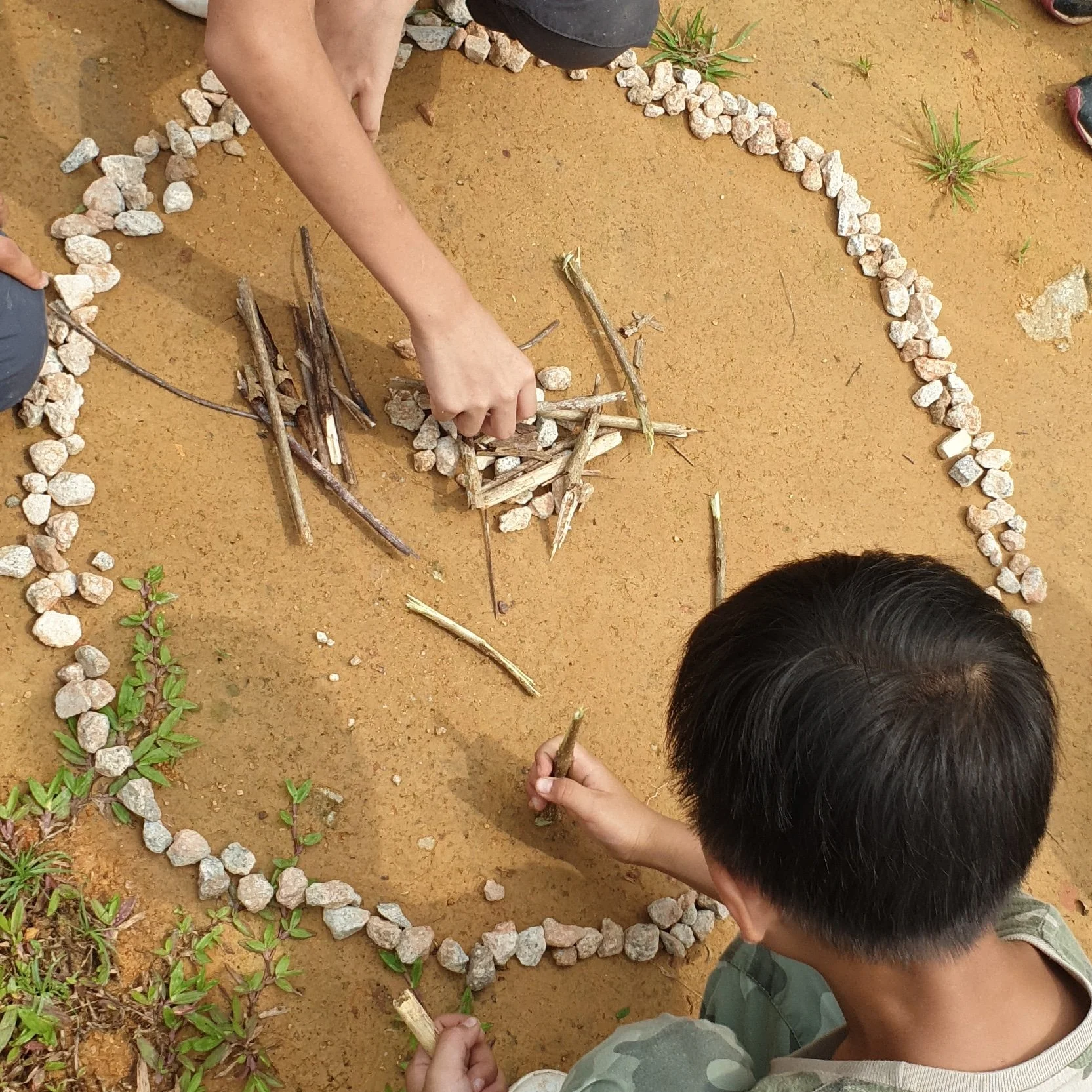
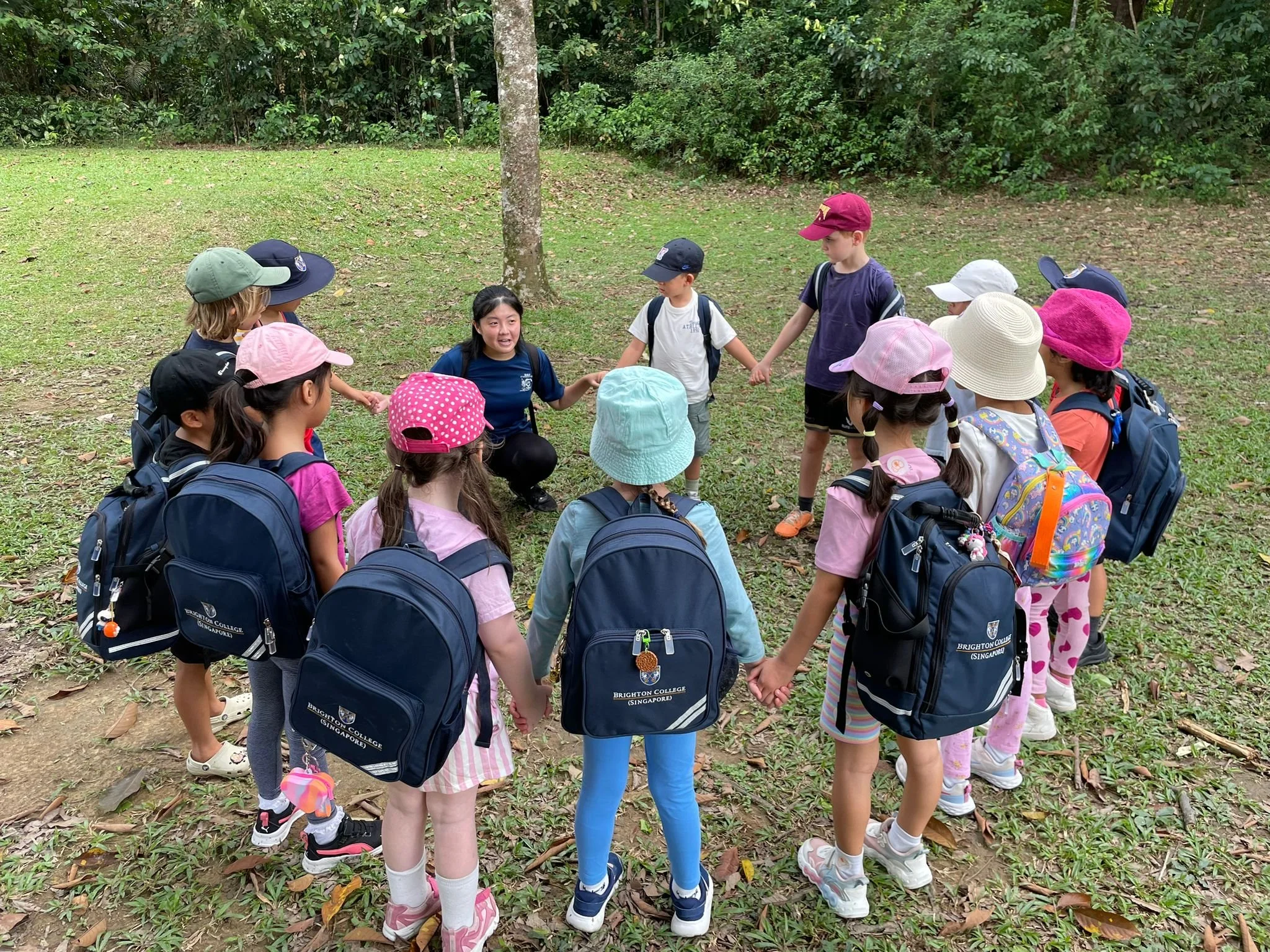
These boundaries help create a calm and consistent environment where children can feel safe, build trust, and engage fully in learning and relationships.
We recognise that different families may be looking for different approaches to learning and development. We encourage families to choose environments that feel aligned with their values and their child’s needs.
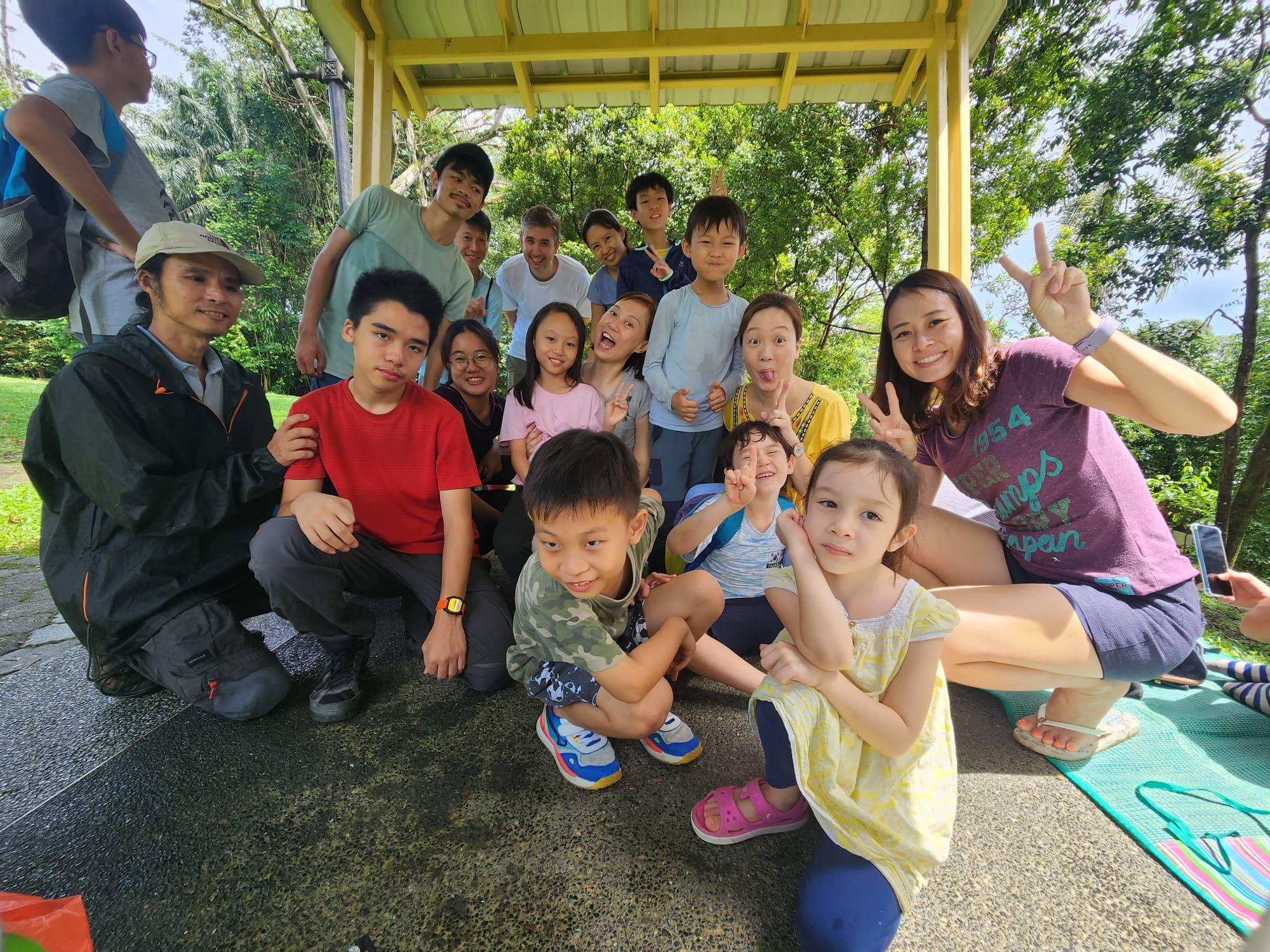
Community & communication
We value a calm, supportive, and respectful community culture.
Families are encouraged to get to know one another through our in-person community gatherings.
The group chat is for logistics and announcements only.
It is not a space for discussing, speculating about, or analysing individual children’s behaviour.
This helps maintain clarity, reduce misunderstandings, and keep the focus on supporting children.
We appreciate:
calm and direct communication grounded in the present
curiosity over assumption
a steady and respectful group culture
For general updates, you are welcome to text or email us. Our team will respond during working hours.
For more detailed concerns, direct conversations are often more helpful, as messaging may not always allow for full context or clarity.
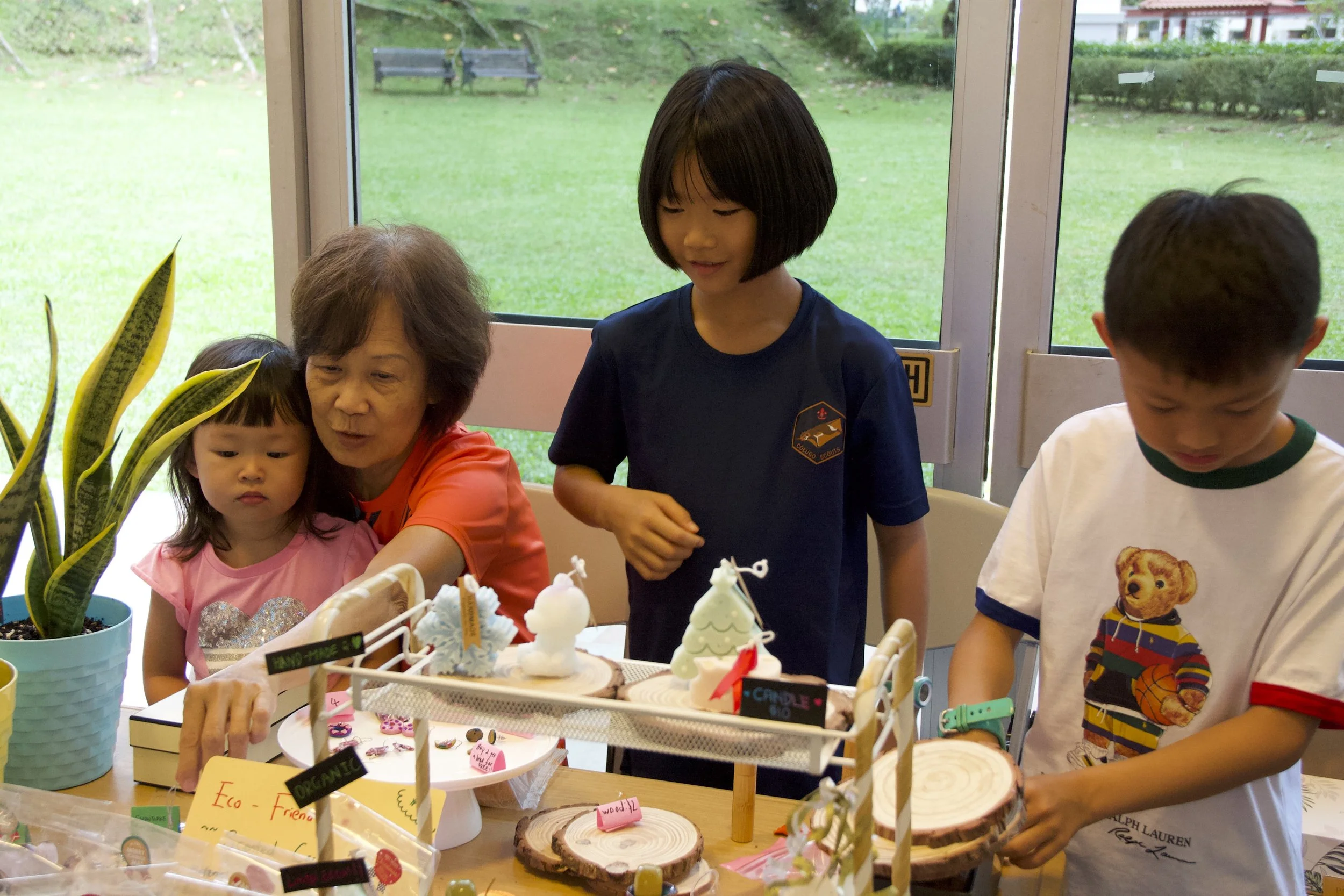
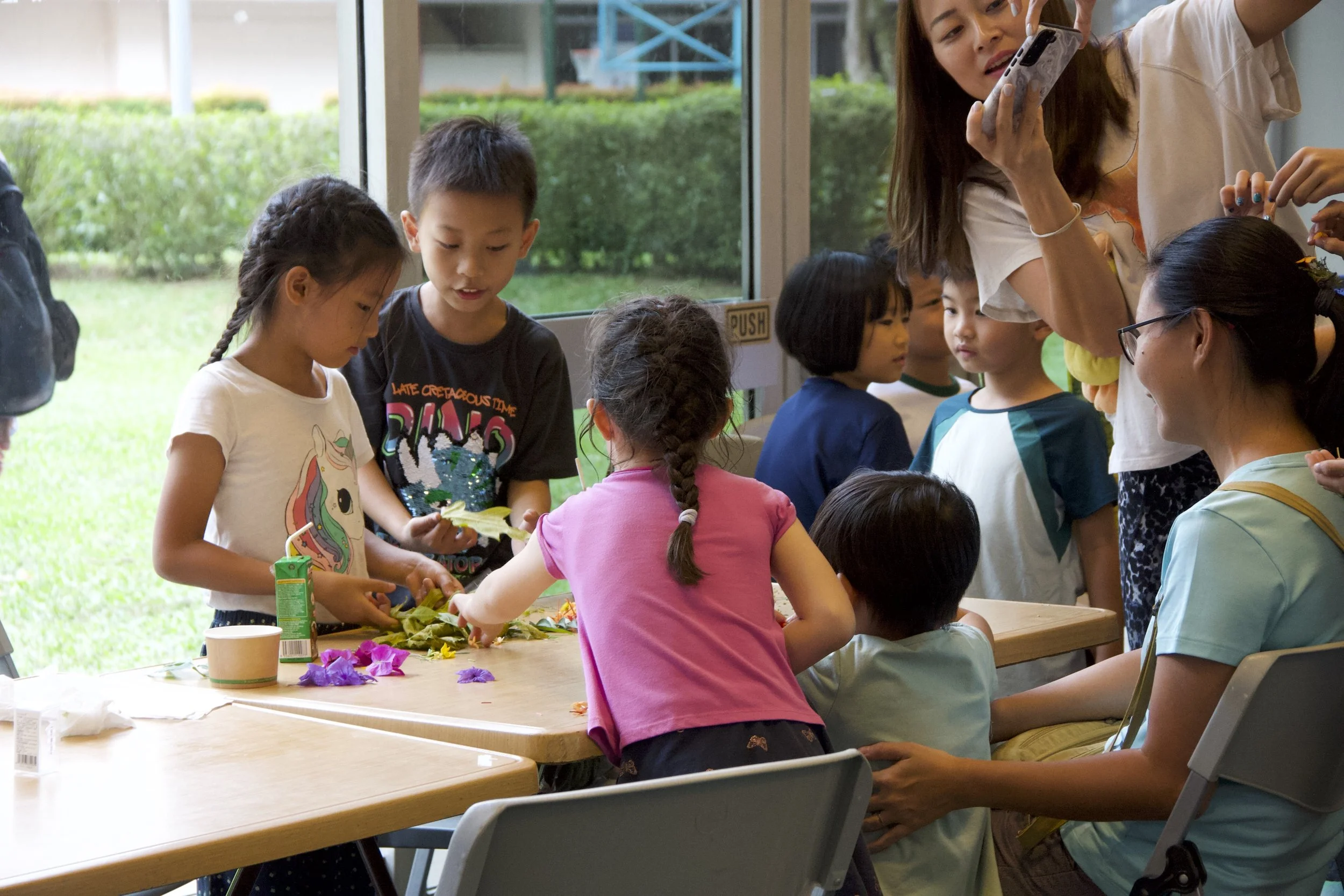
How families can support at home
listen with curiosity rather than interrogation
reflect feelings and needs instead of assigning blame
allow children space to process experiences
support rest, outdoor time, and real-world play
Practical rhythms
Timely pick-ups help children feel secure and settled (we understand occasional delays).
Consistent attendance helps children build secure relationships and settle into group rhythms, while we understand that flexibility is sometimes needed.
Where possible, we bring children to the entrance or pick-up point. When this is not possible due to group supervision or timing, we appreciate your support in coming to the designated pick-up area.
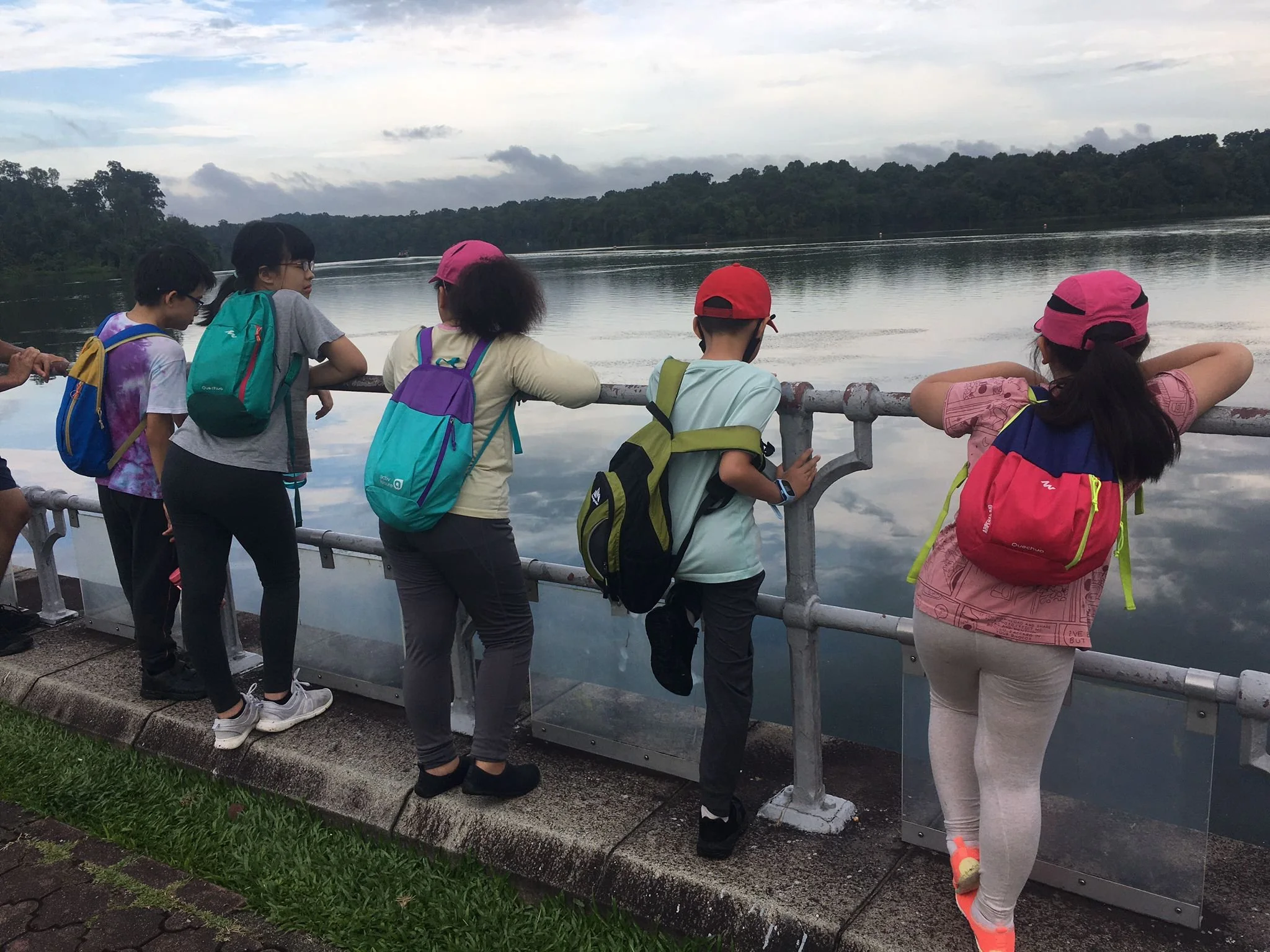
Holding space for your child’s experience
We spend significant time observing children and adapting experiences in real time to meet the needs of the group. Our curriculum is responsive and shaped by what unfolds during sessions.
Children’s experiences in Forest School are supported and contained within this environment.
What unfolds here may look different from other settings. We encourage allowing children space to process their experiences without immediate interpretation, comparison, or assumption. This supports their confidence and sense-making.
We recognise that families may hold different views on child development, learning approaches, and conflict support. We also value that different perspectives can coexist. Children benefit from learning that people may have different intentions, experiences, and ways of doing things, and that this diversity is part of social learning.
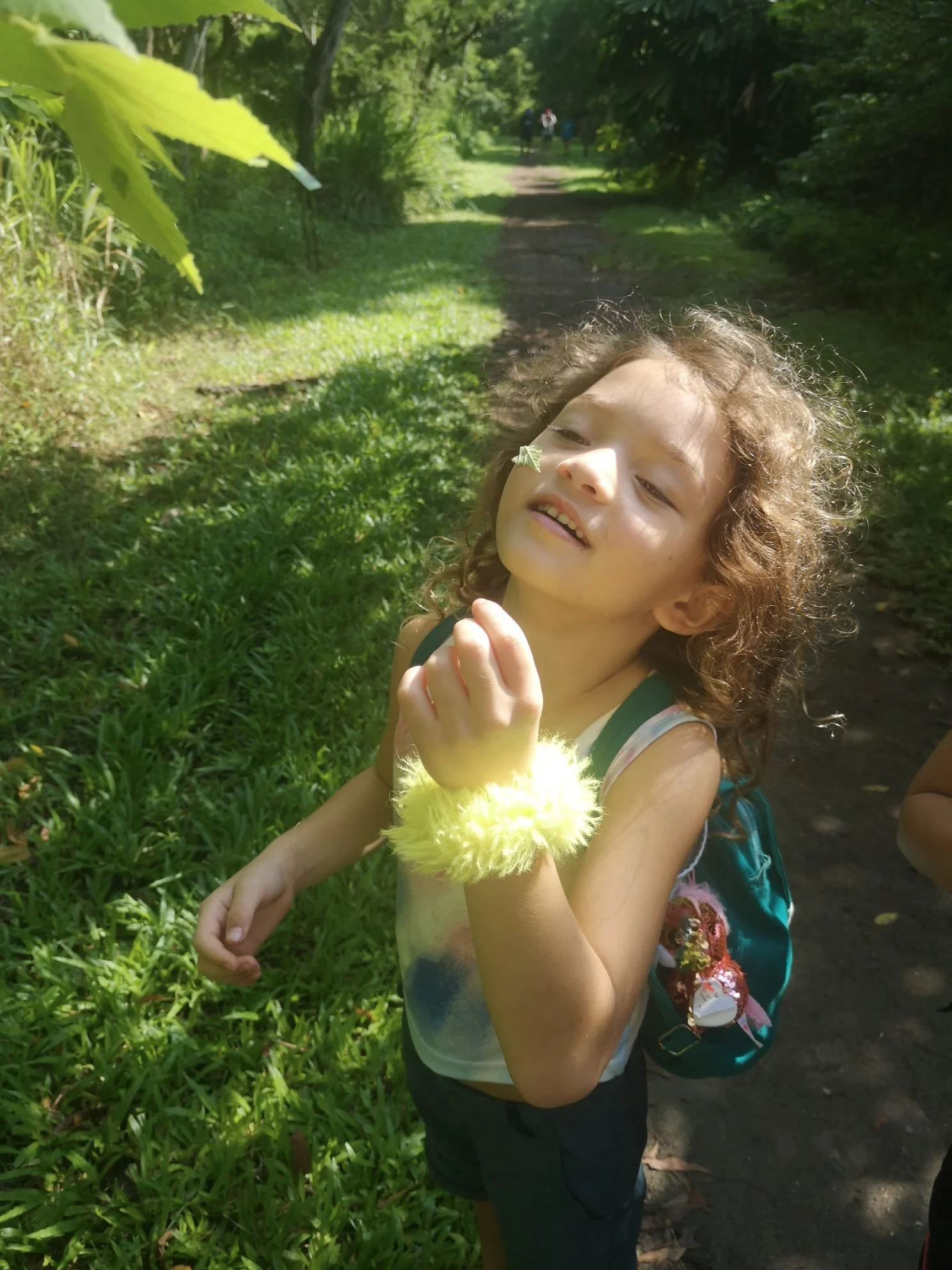
To support children’s sense of safety, trust, and freedom to engage fully, we do not share every detail of day-to-day interactions during sessions.
This is because children are more able to explore, take risks, and learn when they are not required to constantly account for their experiences during programme time.
We aim to keep families informed in a timely and appropriate way about significant matters affecting a child’s safety, wellbeing, or where collaboration would support the child.
When we do share specific observations, we ask that parents:
avoid repeated questioning or investigation with the child
allow space for the child to process their experience in their own time
Where appropriate, we may invite families to work with us in supporting the child in a consistent and constructive way.
Confidentiality & psychological safety
A note on digital wellbeing
We encourage families to support balanced development through:
outdoor and real-world play
rest and unstructured time
mindful use of digital devices
Where possible, reducing or delaying digital gaming in early childhood can support attention, regulation, and social connection.
Final Intention
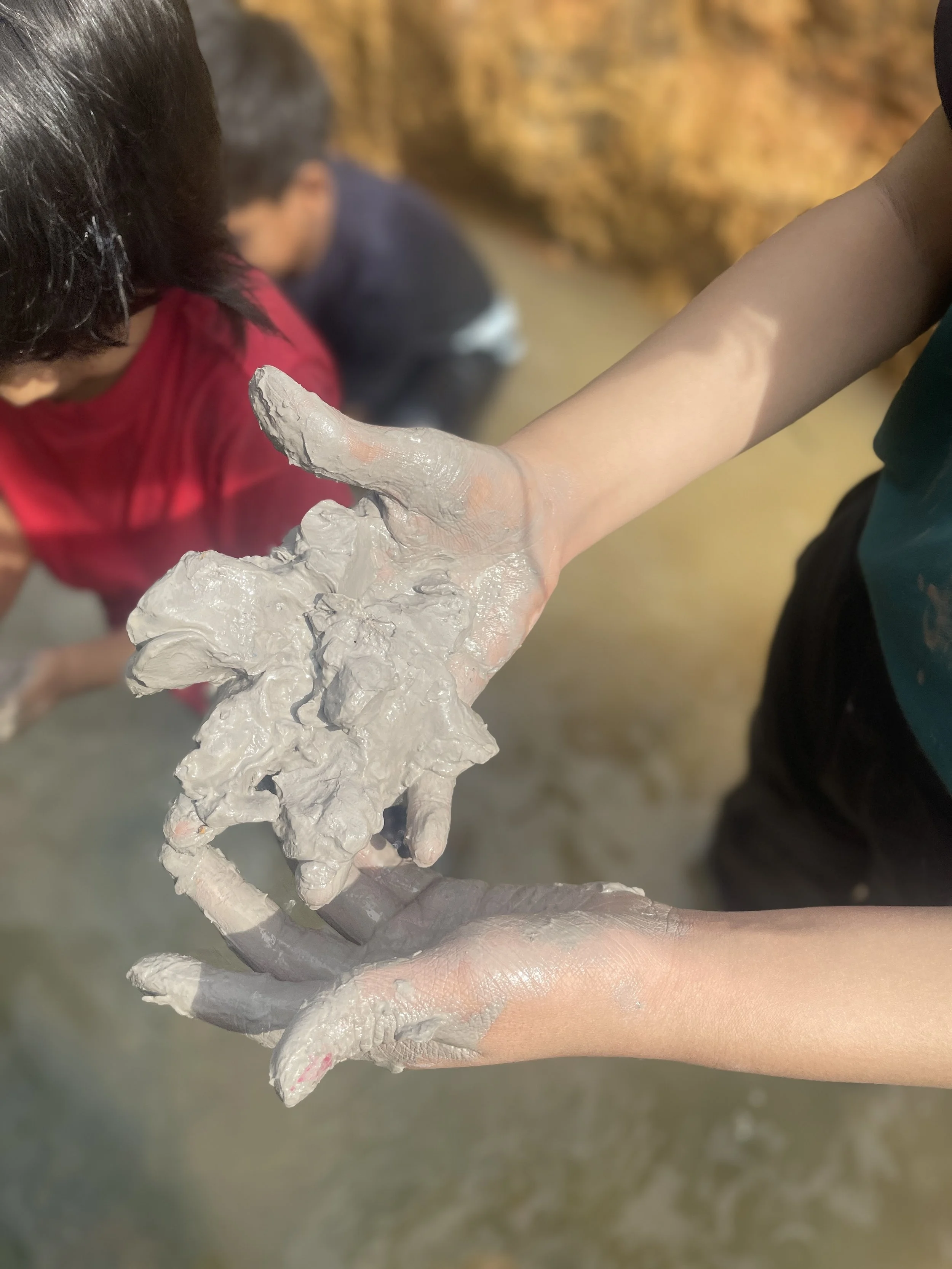
We aim to maintain a consistent, relational learning environment where children grow in confidence, emotional awareness, and connection with others and the natural world.
We keep our core Relational Learning™ framework consistent during programme delivery, rather than adapting it to trends or external topics.
This allows our team to remain focused on supporting children directly and maintaining a calm, coherent learning environment.